0
$0.00
Mini Cart
Empty cart
No products in the cart.

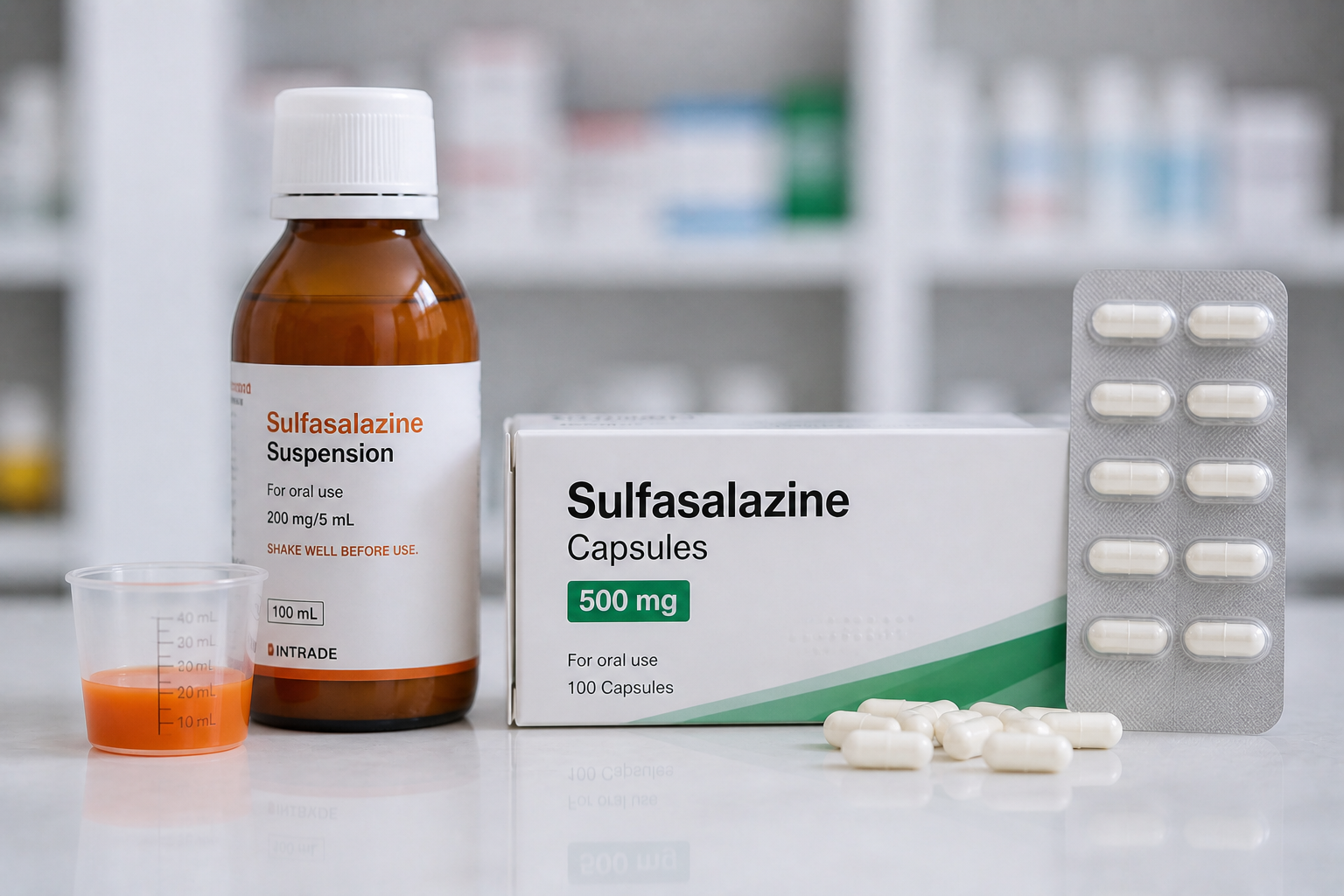
If you’ve been diagnosed with inflammatory bowel disease, rheumatoid arthritis, or another chronic inflammatory condition, you know how significantly these diseases can impact your daily life. The constant pain, unpredictable flare-ups, and limitations on what you can do can be exhausting and demoralizing. You’ve probably searched for effective treatments that can help you regain control and live more comfortably.
One medication that’s been helping patients manage these conditions for decades is sulfasalazine. Available in both convenient capsule form and customized liquid suspensions, sulfasalazine offers flexibility and effectiveness for different patient needs. Whether you’re an adult managing rheumatoid arthritis or a parent seeking the best treatment option for your child with inflammatory bowel disease, this comprehensive guide will help you understand how sulfasalazine works and what to expect.
Chronic inflammatory conditions like ulcerative colitis, Crohn’s disease, and rheumatoid arthritis aren’t just uncomfortable—they’re progressive diseases that can cause serious long-term damage if left untreated. In inflammatory bowel disease, chronic inflammation damages the intestinal lining, leading to nutrient malabsorption, severe pain, and complications. In rheumatoid arthritis, inflammation in the joints causes progressive damage that can lead to permanent disability if not controlled.
This is why finding an effective anti-inflammatory medication is so important. Sulfasalazine has been a cornerstone treatment for these conditions because it actually addresses the inflammation driving the disease, not just the symptoms.
Sulfasalazine is an anti-inflammatory medication that’s been used successfully for over 80 years to treat autoimmune and gastrointestinal conditions. It’s a combination of sulfapyridine (an antibiotic) and 5-aminosalicylic acid (5-ASA), which work together to reduce inflammation in the body, particularly in the intestines and joints.
In the United States, sulfasalazine is frequently prescribed for:
The versatility of sulfasalazine makes it a valuable treatment option for multiple inflammatory conditions.
Understanding how sulfasalazine works helps explain why it’s so effective for inflammatory conditions. The mechanism is elegant and multi-faceted:
When you take sulfasalazine, your body breaks it down into active components that work together to reduce inflammation. The sulfapyridine component has antibiotic properties that help control bacterial overgrowth in the intestines, which can contribute to inflammation. The 5-ASA component is the primary anti-inflammatory agent, working directly on the inflamed tissues to reduce inflammation and modulate immune system activity.
This dual-action approach leads to:
Sulfasalazine is available in two main formulations, each with specific advantages:
Standard sulfasalazine capsules are the traditional oral form. They’re convenient for adults, come in pre-measured doses, and are easy to take. Most adults find capsules straightforward to incorporate into their daily routine. However, capsules require the ability to swallow pills, which can be challenging for some patients.
Compounding pharmacies prepare customized sulfasalazine suspensions—liquid formulations that offer several advantages:
Compounded suspensions are especially important in pediatric care and for patients with special needs, making sulfasalazine accessible to a wider range of patients.
Sulfasalazine is proven effective at controlling chronic inflammation in inflammatory bowel disease and rheumatoid arthritis. Patients consistently report significant improvement in their symptoms and quality of life when taking this medication as prescribed.
Unlike some medications that target only one aspect of inflammation, sulfasalazine works on both gastrointestinal and joint-related inflammation. This makes it particularly valuable for patients with conditions affecting multiple body systems.
Available in both capsules and customized liquid suspensions, sulfasalazine can be adapted to meet the needs of different patients. Whether you’re an adult preferring capsules or a parent seeking a liquid formulation for your child, there’s an option that works for you.
Sulfasalazine supports ongoing control of symptoms and helps prevent the unpredictable flare-ups that characterize inflammatory conditions. Many patients take sulfasalazine long-term as part of their disease management strategy, allowing them to maintain remission and quality of life.
Getting the best results from sulfasalazine requires proper administration and consistency:
Always follow your healthcare provider’s specific instructions, as they may have additional recommendations based on your individual situation.
While sulfasalazine is generally well-tolerated, some patients experience side effects, particularly when starting the medication:
Most side effects are mild and improve as your body adjusts to the medication. However, serious side effects are rare but should be reported to your healthcare provider immediately. These include severe allergic reactions, liver problems, or blood disorders.
While sulfasalazine is safe for most people, certain individuals should consult their healthcare provider before taking it:
A proper evaluation by your healthcare provider ensures that sulfasalazine is safe and appropriate for your specific situation.
While individual responses vary, here’s what many patients experience:
Compounding pharmacies play a crucial role in making sulfasalazine accessible to patients who can’t take capsules. Benefits of compounded suspensions include:
Sulfasalazine suspension and capsules remain cornerstone treatments for inflammatory bowel disease and rheumatoid arthritis in the United States. With flexible formulations available—from convenient capsules for adults to customized liquid suspensions for children and patients with special needs—sulfasalazine can be adapted to meet virtually any patient’s requirements.
If you’ve been diagnosed with an inflammatory condition and are considering sulfasalazine, talk to your healthcare provider about which formulation is right for you. For many patients, sulfasalazine has been transformative, allowing them to achieve remission, reduce symptoms, and reclaim their quality of life. With proper medical guidance and consistent use, sulfasalazine can help you manage your condition effectively and live more comfortably.
Sulfasalazine is used to treat inflammatory bowel disease (ulcerative colitis and Crohn’s disease) and rheumatoid arthritis. It works by reducing inflammation in the intestines and joints, helping control symptoms like diarrhea, abdominal pain, and joint pain. The medication also helps prevent disease flare-ups and supports long-term disease management, allowing patients to maintain remission and improve quality of life.
Yes, sulfasalazine is available in liquid suspension form through compounding pharmacies. Compounded suspensions are particularly valuable for children and patients who have difficulty swallowing pills. Pharmacists can customize the dose based on your specific needs and add flavoring to improve palatability. This flexibility makes sulfasalazine accessible to a wider range of patients who might otherwise struggle with capsule formulations.
Sulfasalazine typically takes 4-12 weeks to show full therapeutic benefits. You may notice mild improvement in symptoms within the first 2-4 weeks, but significant improvement usually occurs after 4-8 weeks of consistent use. Full effects are typically achieved by 8-12 weeks. Patience and consistency are important—don’t stop taking the medication prematurely if you don’t see immediate results.
Yes, children can safely take sulfasalazine under medical supervision. Compounded suspension formulations are particularly ideal for pediatric patients because they’re easier to administer than capsules and allow for precise dosing based on the child’s weight. Pediatricians commonly prescribe sulfasalazine for children with inflammatory bowel disease, and it’s well-tolerated in this population.
Yes, sulfasalazine requires a prescription from a licensed healthcare provider such as a doctor, gastroenterologist, or rheumatologist. Your healthcare provider evaluates your condition, confirms the diagnosis, and determines the appropriate dose and formulation (capsules or compounded suspension) based on your specific needs and medical history.
Common side effects include nausea or upset stomach (usually reduced by taking with food), headache, loss of appetite, and mild allergic reactions. Orange or yellow discoloration of urine is harmless and temporary. Most side effects are mild and improve as your body adjusts. Serious side effects are rare but should be reported immediately to your healthcare provider.
The FDA does not review any compounded drugs to evaluate their safety, effectiveness, or quality before they reach patients.