0
$0.00
Mini Cart
Empty cart
No products in the cart.

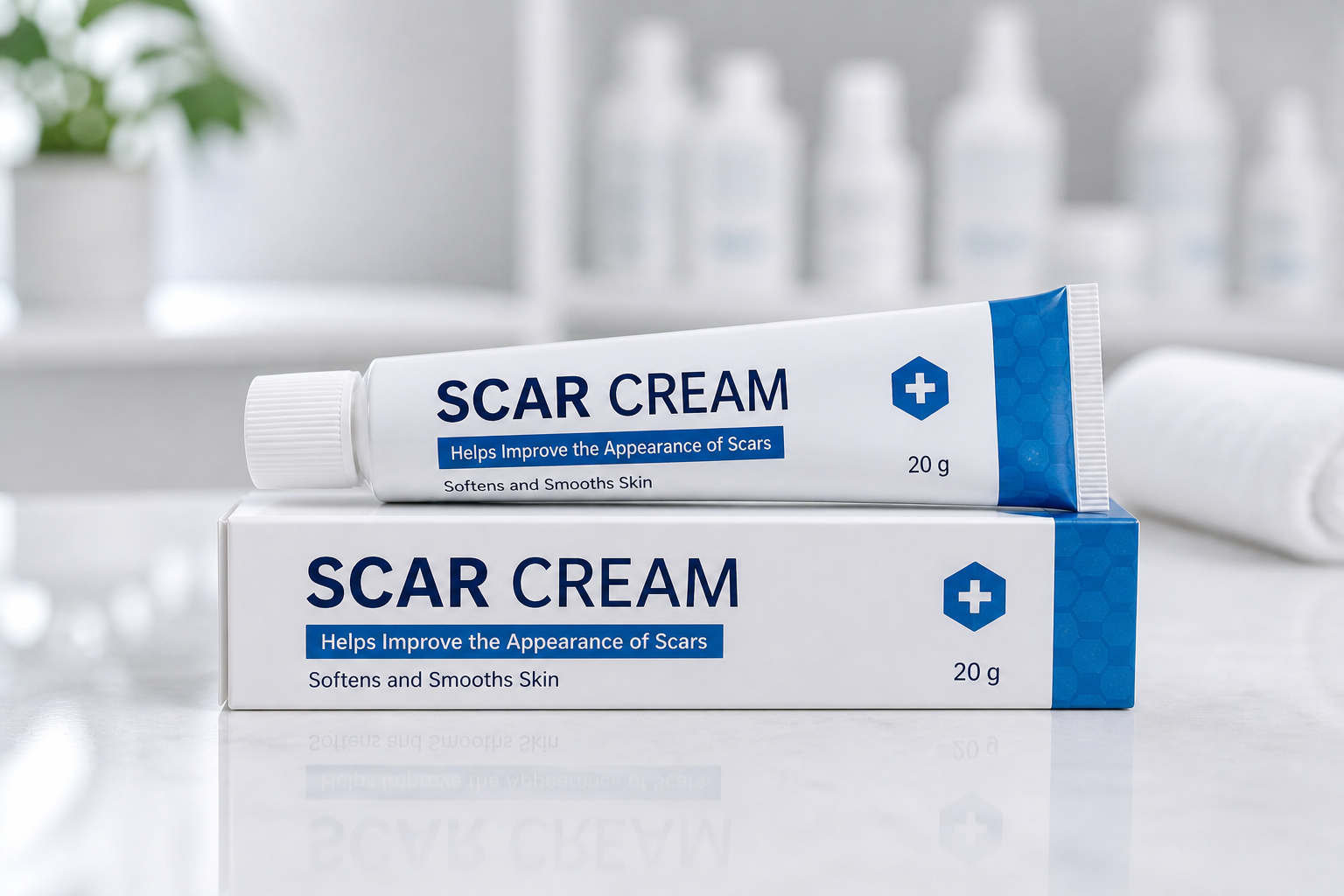
Scars are a natural part of how your body heals from injuries, surgeries, or skin conditions like acne. But that doesn’t mean you have to live with them permanently. Whether you’re dealing with a surgical scar that’s more visible than you’d like, acne scars that affect your confidence, or marks from an old injury, there are effective treatments available that can significantly improve their appearance.
One of the most accessible and effective options is scar cream. From over-the-counter products to custom compounded formulations, scar creams have come a long way in helping people achieve smoother, healthier-looking skin. If you’re considering scar cream treatment or want to understand your options better, this comprehensive guide will help you make informed decisions about your skin care.
When your skin is injured—whether through surgery, accident, or severe acne—your body initiates a healing process. During this process, collagen is laid down to repair the wound. However, this collagen is often laid down differently than the surrounding skin, creating a scar. The appearance of the scar depends on many factors: the depth and size of the original wound, your age, your skin type, and how well you care for the wound during healing.
While scars fade naturally over time, they often don’t disappear completely. This is where scar cream comes in—it can accelerate the fading process and improve the appearance of scars that might otherwise remain visible for years.
Scar cream is a topical treatment specifically designed to improve the appearance of scars by promoting skin repair, regeneration, and remodeling. These creams work by addressing the underlying issues that make scars visible—they hydrate scar tissue, improve collagen remodeling, reduce redness, and help flatten raised scars.
Scar creams may include various active ingredients, each serving a specific purpose:
Compounded scar creams take this a step further by combining multiple ingredients in customized formulations designed specifically for your type of scar and skin condition.
Scars from surgery are often the most visible because surgical incisions are typically longer and deeper than accidental wounds. The good news is that surgical scars often respond very well to scar cream treatment, especially if treatment begins early. Starting scar cream treatment soon after surgery (once the wound has fully closed) can significantly improve the final appearance of the scar.
Acne scars come in different types—some are depressed (pitted), some are raised, and some involve discoloration. Topical scar creams help improve texture and reduce discoloration, though deeper pitted scars may require additional treatments like microneedling or laser therapy in combination with scar cream.
Scars from cuts, burns, and other wounds can leave marks that benefit from targeted scar cream treatment. The earlier you start treatment after the wound has healed, the better the results tend to be.
These are raised, thickened scars that extend beyond the original wound. Specialized scar cream formulations containing corticosteroids or other anti-inflammatory ingredients can help reduce the raised appearance of these scars over time.
Understanding how scar cream works helps explain why consistent use is so important. Scar creams work through multiple mechanisms:
These mechanisms work together to gradually improve the appearance of scars. However, this process takes time—most people need to use scar cream consistently for several weeks to months to see significant results.
The primary benefit of scar cream is obvious: it helps reduce the visibility of scars. Over time, scars become less noticeable, less red, and blend better with surrounding skin. For many people, this improvement in appearance has a significant positive impact on confidence and self-esteem.
Scar cream doesn’t just mask scars—it actively supports your skin’s natural healing and regeneration processes. By providing the right ingredients and environment, scar cream encourages your skin to remodel the scar tissue and improve its appearance from within.
Many scars are visible not just because of texture changes but because of discoloration—they’re red, purple, or darker than surrounding skin. Scar cream helps reduce this discoloration by decreasing inflammation and promoting even skin tone.
While over-the-counter scar creams are available, compounded scar creams offer personalized solutions. A compounding pharmacist can create a formulation specifically designed for your type of scar, your skin type, and your specific concerns. This customization often leads to better results than generic products.
Compounding pharmacies like Allure Pharmacy offer advanced scar cream solutions that go beyond what’s available over-the-counter:
This personalized approach often leads to significantly better results than generic over-the-counter products.
Getting the best results from scar cream requires proper application and consistency:
Early treatment often leads to better outcomes. Starting scar cream treatment soon after a wound has healed (typically 2-3 weeks after surgery or injury) can significantly improve the final appearance of the scar.
While individual results vary, here’s what many patients experience:
Scar cream is suitable for:
While scar cream is safe for most people, keep these considerations in mind:
Scar cream treatments offer an effective, accessible way to reduce the appearance of scars and improve skin health. Whether you choose an over-the-counter product or a custom compounded formulation, consistent use can lead to significant improvements in scar appearance over time.
For the best results, start treatment early, use your scar cream consistently, protect your skin from sun exposure, and be patient with the process. If you’re dealing with scars that affect your confidence or quality of life, talk to your dermatologist or healthcare provider about scar cream options. Many people find that with proper treatment, scars fade much more than they expected, allowing them to feel more confident in their skin.
Scar cream is used to reduce the appearance of scars and improve skin healing. It works by hydrating scar tissue, improving collagen remodeling, reducing redness and discoloration, and helping flatten raised scars. Scar cream is effective for surgical scars, acne scars, injury scars, and hypertrophic or keloid scars. Consistent use over several weeks to months can significantly improve how scars look and blend with surrounding skin.
Results vary depending on the scar type, depth, and age. Most people notice initial improvements within 4-8 weeks of consistent use. More significant visible improvement typically occurs after 8-12 weeks. Some scars require 3-6 months or longer of continuous treatment to achieve maximum improvement. Early treatment—starting soon after a wound heals—often produces better results than treating older scars.
Compounded scar creams can be more effective because they’re customized for your specific scar type and skin condition. A compounding pharmacist can combine multiple active ingredients in the exact concentrations needed for your situation. This personalized approach often produces better results than generic over-the-counter products, especially for difficult-to-treat scars.
Scar cream may not remove scars completely, but it can significantly improve their appearance. Scars fade and blend better with surrounding skin, becoming much less noticeable. For very deep or severe scars, scar cream works best when combined with other treatments like microneedling or laser therapy. Discuss combination treatment options with your dermatologist.
Over-the-counter scar creams don’t require a prescription. However, advanced or compounded scar creams may require a prescription from your healthcare provider. Your dermatologist can recommend whether a prescription-strength formulation would be beneficial for your specific scar.
Start scar cream treatment as soon as the wound has fully closed, typically 2-3 weeks after surgery or injury. Early treatment produces the best results. For older scars, it’s never too late to start—even scars years old can improve with consistent scar cream treatment, though results may take longer.
The FDA does not review any compounded drugs to evaluate their safety, effectiveness, or quality before they reach patients.